Best Private Villas for Honeymoons: The Definitive Estate Curation Guide
Analyzing the comparative spatial programming, intimate asset evaluation economics, and specialized hospitality provisioning models of premier residential compounds reveals an intricate intersection of high-end real estate engineering, romantic seclusion governance, and bespoke lifestyle benchmarking. When discerning couples, high-net-worth travel curators, and specialized estate portfolio directors evaluate properties operating within the high-end romantic residential sector, they encounter complex multi-acre zoning jurisdictions, specialized private staff recruitment matrices, and distinct architectural typologies that redefine conventional luxury leisure standards. Unlike standard luxury hotels or managed resort honeymoon suites that rely on centralized front desks, shared public infinity pools, and common dining pavilions, establishments operating entirely within elite standalone residential sanctuaries depend on absolute perimeter discretion, customized back-of-house service routing, and hyper-curated property maintenance where every operational variable carries profound financial and emotional weight.
Evaluating comprehensive high-end residential models requires moving past promotional marketing imagery to analyze deep structural asset liquidity, private water filtration systems, localized security grid redundancies, and the nuanced legal boundaries governing international property ownership and romantic residency permits. From secluded Mediterranean clifftop compounds to modernist jungle sanctuaries across Southeast Asia, identifying and appreciating these exceptional residential assets requires profound structural discipline. Consequently, approaching these distinctive luxury environments solely through basic tourism lenses introduces severe economic and operational misinterpretations, requiring deep critical analysis from experienced real estate asset managers and luxury hospitality consultants alike.
This reference manual provides an exhaustive structural, historical, and operational framework for analyzing, interpreting, and mastering the domestic and international high-end residential leasing and acquisition landscape while giving professionals clear insight into the sector without relying on generic promotional clichés. The following sections dissect systemic historic evolution, analytical mental models, risk typology operational structures, and long-term governance protocols to establish a definitive professional standard for understanding the sector.
Understanding “best private villas for honeymoons”
When industry analysts and high-end residential curators investigate the best private villas for honeymoons, the primary objective is decoding how specialized architectural design, dedicated butler and private culinary staffing ratios, perimeter security protocols, and microclimate integration influence both long-term property asset valuation and couple fulfillment. However, a common pitfall involves treating these exceptional residential compounds like standard resort villas that benefit from centralized hotel housekeeping and on-demand maintenance pools, completely ignoring the complex logistical independence required to sustain a standalone luxury estate.
A widespread misconception views high-end residential evaluation through a purely aesthetic lens, reducing complex property holding structures, staff payroll liabilities, and specialized estate engineering systems to simple bedroom-count and infinity-pool checklists. Consequently, this oversimplification ignores the profound operational friction between maintaining absolute privacy for high-net-worth occupants and managing continuous vendor deliveries, waste management, and heavy maintenance schedules across remote or exclusive geographic locations.
Relying on uncritical generalizations introduces severe analytical vulnerabilities. When observers gloss over coastal erosion rates, ignore local municipal short-term rental bans, or fail to audit underlying electrical generator capacity, small planning oversights compound into major operational crises. True professional appraisal demands rigorous architectural auditing, direct examination of estate operating agreements, and an honest accounting of how these exceptional residential properties perform under severe environmental and market stress across different geographical territories.
Deep Contextual Background
The evolution of luxury residential estate curation and private villa hospitality in international sanctuary markets reflects a century-long transformation in high-net-worth mobility, architectural modernism, and lifestyle privacy management. Early twentieth-century luxury travel and extended seasonal residency across these regions relied on grand heritage hotels or sprawling multi-generational family estates managed through traditional domestic staff models, offering formal status rather than absolute structural autonomy.
The late twentieth and early twenty-first centuries marked a profound commercial turning point with the proliferation of professionally managed standalone luxury estates, branded residential compounds, and ultra-high-net-worth individuals seeking complete seclusion paired with five-star hospitality infrastructure. However, this shift toward private estate living created a sharp operational challenge: managing unpredictable resource provisioning, specialized staff retention, and complex property maintenance without the economies of scale found in traditional resorts. To bridge this gap, visionary real estate developers and luxury hospitality groups began engineering hybrid operational models, centralized estate management syndicates, and dedicated property-care academies specifically tailored for extraordinary private sanctuaries.
As the luxury villa market matured, the demand for absolute discretion, architectural uniqueness, and experiential customization accelerated the codification of specialized property evaluation standards. Consequently, studying and categorizing these exceptional residential assets transitioned from an ad-hoc lifestyle interest into a highly rigorous interdisciplinary specialty encompassing real estate finance, estate management, security engineering, and hospitality governance.
Conceptual Frameworks and Mental Models
Analyzing complex private residential environments requires robust mental models that account for operational independence, privacy protection, and service labor economics.
The Estate Autonomy vs. Resort Proximity Gradient
This foundational model evaluates how physical isolation correlates with ongoing operational complexity. It prevents analytical misjudgements by mapping the technical trade-offs between utilizing fully independent off-grid estate compounds versus serviced villas nested within managed resort perimeters.
The Staff-to-Guest Ratio vs. Discretion Index
Properties operating within ultra-luxury segments must balance high staffing footprints against perceived privacy. When analysts examine the market, this mental model tracks dedicated back-of-house service corridors and invisible staffing logistics against long-term guest retention metrics.
The Environmental Exposure vs. Structural Durability Axis
Operational workflows must evaluate the financial sustainability of maintaining high-end architectural finishes in harsh coastal or tropical environments against local material procurement limitations.
The Capital Asset Liquidity vs. Yield Generation Hierarchy
This model stratifies legal and operational risk during property ownership and leasing, ensuring balanced evaluation of private family capital preservation versus short-term luxury rental income optimization.
Key Categories and Variations
Mastering the study of exceptional private residential assets involves navigating distinct regional architectural styles and geographic microclimates across the globe, each carrying specific structural challenges and curation structures. When industry professionals analyze properties within the luxury residential ecosystem, they typically segment the landscape into six core variations.
1. Clifftop Oceanfront Modernist Compounds
Architectural steel-and-glass masterpieces cantilevered over dramatic marine drop-offs, featuring private helipads, saline infinity pools, and subterranean wine cellars.
-
Trade-Offs: Delivers maximum visual drama and absolute horizon privacy, but involves severe marine salt corrosion, high wind-shear exposure, and complex geotechnical stabilization.
2. Tropical Jungle Canopy Sanctuary Estates
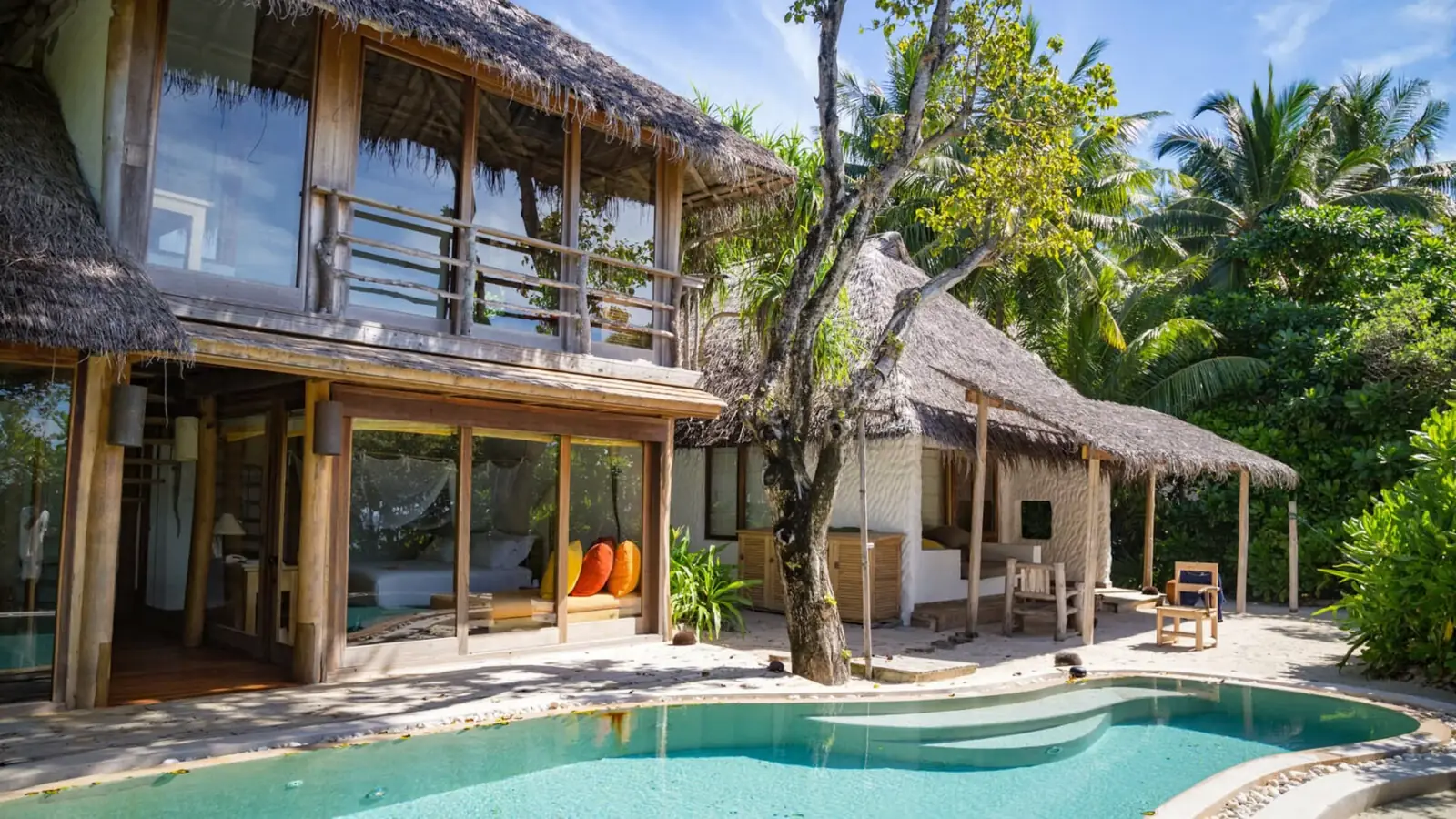
Expansive open-air pavilion structures nestled deep within dense rainforest canopies, utilizing natural timbers, thatched roofs, and natural spring plunge pools.
-
Trade-Offs: Captures authentic ecological immersion and serene seclusion, but exposes interior finishes to high humidity, aggressive mold mitigation, and insect management demands.
3. Historic Mediterranean Cliffside Olive Estate Villas
Meticulously restored historic stone properties surrounded by centuries-old olive groves, featuring thick thermal-mass masonry walls, shaded courtyards, and terraced gardens.
-
Trade-Offs: Secures timeless cultural provenance and robust exterior durability, but requires specialized stone masonry upkeep and strict historic preservation compliance.
4. Alpine Sloped-Site Luxury Timber Chalets
Multi-level mountain compounds combining heavy post-and-beam timber framing with floor-to-ceiling glass, private ski-room facilities, and geothermal heating grids.
-
Trade-Offs: Provides direct access to elite alpine recreation and cozy winter luxury, but involves heavy snow-load structural maintenance and challenging winter supply logistics.
5. Desert Oasis Monolithic Rammed-Earth Sanctuaries
Earth-sheltered and thick-walled minimalist compounds engineered to withstand extreme thermal fluctuations, featuring subterranean water cisterns and solar microgrids.
-
Trade-Offs: Offers exceptional thermal mass efficiency and silent desert isolation, but demands specialized structural wall sealing and flash-flood drainage engineering.
6. Private Island Coral Atoll Stilted Compounds
Exclusively engineered coastal and overwater luxury estates positioned on private barrier islands, featuring autonomous desalination plants and dedicated marine docks.
-
Trade-Offs: Offers ultimate personal seclusion and direct marine access, but involves intense hurricane vulnerability, high energy generation costs, and strict environmental oversight.
Operational Comparison Table
| Villa Asset Class | Primary Operational Exposure | Maintenance Complexity | Provisioning Difficulty | Ideal Inhabitant Profile |
| Clifftop Oceanfront Compounds | Salt spray, wind shear, & storms | High (Facade & corrosion upkeep) | High (Remote coastal transport) | Ultra-high-net-worth privacy seekers |
| Tropical Jungle Sanctuaries | High humidity, rain, & flora growth | High (Mold mitigation & timber care) | Moderate-High (Jungle transport routes) | Nature-focused wellness travelers |
| Historic Mediterranean Estates | Intense UV exposure & masonry wear | Moderate (Historic stone care) | Low-Moderate (Regional agrarian markets) | Cultural preservation connoisseurs |
| Alpine Luxury Timber Chalets | Sub-zero winters & snow loads | High (Roof snow & heating maintenance) | Moderate (Mountain road transport) | Winter sports & fireside groups |
| Desert Oasis Rammed-Earth Sanctuaries | Extreme heat swings & aridity | Moderate (Earthen wall sealing) | High (Arid desert transport routes) | Silence and solitude seekers |
Realistic Decision Logic
When high-net-worth buyers, portfolio directors, or luxury travel curators seek guidance on evaluating properties across the private residential landscape, decision logic must prioritize the strict auditing of structural water-intrusion barriers, independent power generation redundancy, and local municipal zoning laws above promotional marketing imagery. If an evaluator analyzes a unique villa property using criteria designed for standard urban apartments—where municipal utilities and shared maintenance are taken for granted—the resulting estate operation will fail under the weight of utility failures, supply chain isolation, or zoning violations. Observers must weigh promotional marketing narratives against the immutable engineering, legal, and logistical realities of elite residential real estate.
Detailed Real-World Scenarios
Practical analytical scenarios illustrate how recognizing resource independence, structural durability limits, and staffing constraints prevents catastrophic failure across diverse luxury villa markets.
Case Study A: The Clifftop Oceanfront Compound Corrosion and Structural Overhaul
An exclusive coastal cliffside estate successfully resolved chronic structural degradation and electrical failure caused by aggressive marine salt spray by replacing standard exterior fasteners with titanium alloy components and installing a centralized whole-house positive-pressure air filtration system.
-
Constraints: Severe marine environment; high wind-driven salt mist corroding architectural steel framing and electrical contacts.
-
Decision Points: Estate management evaluated whether to repaint exterior surfaces annually or replace vulnerable metal components with marine-grade stainless steel and titanium.
-
Failure Modes Identified: Salt accumulation breached standard electrical panels and oxidized structural window frames, causing frequent power outages and jammed sliding glass doors.
-
Second-Order Effects: Sourcing custom titanium fasteners and marine-grade replacement hardware required specialized international freight coordination.
-
Resolution: Upgrading all exterior metal infrastructure and installing sealed electrical enclosures permanently halted corrosion-related maintenance failures.
Field Incident B: The Tropical Jungle Sanctuary Energy and Water Independence
A remote jungle canopy villa successfully overcame frequent regional electrical grid collapses and dry-season water shortages by installing an advanced solar microgrid with lithium battery banks and a deep-well ultraviolet filtration system.
-
Constraints: Unreliable rural power grids; seasonal dry spells depleting local surface water sources.
-
Decision Points: Planners assessed whether to rely on commercial diesel generators or invest in a comprehensive solar-battery microgrid coupled with deep-well extraction.
-
Failure Modes Identified: Frequent grid blackouts knocked out automated water pumps and septic aerators, threatening luxury habitability during peak booking seasons.
-
Second-Order Effects: Transporting heavy solar panels and battery banks through dense jungle terrain required specialized all-terrain transport vehicles.
-
Resolution: Implementing an autonomous solar microgrid and deep-well water system ensured total operational independence from failing municipal utilities.
Operational Deployment C: Alpine Chalet Snow-Load and Heating Management
An elite alpine timber chalet successfully managed severe winter snow accumulation and sub-zero temperature drops by integrating automated hydronic roof-edge heating cables and dual redundant commercial boilers.
-
Constraints: Heavy alpine snowfall; extreme sub-zero temperatures threatening frozen pipe bursts.
-
Decision Points: Evaluators compared manual snow-clearing crews with installing automated roof-melt systems and smart-sensor heating controls.
-
Failure Modes Identified: Unchecked snow loads on steep timber roofs caused dangerous ice damming, forcing melting water into interior structural walls.
-
Second-Order Effects: Routing heated glycol lines through exterior timber framing required precise thermal calculation to prevent localized wood warping.
-
Resolution: Installing smart thermal sensor heating cables and automated boiler backups successfully protected the structural timber frame throughout severe winter storms.
Operational Deployment D: Desert Oasis Wastewater and Graywater Recycling
A remote desert rammed-earth villa successfully maintained lush courtyard gardens despite severe municipal water restrictions by engineering an advanced sub-surface graywater recycling and drip-irrigation plant.
-
Constraints: Strict arid water conservation laws; fragile desert groundwater tables.
-
Decision Points: Management compared hauling in water via commercial tanker trucks with constructing an on-site biological graywater treatment system.
-
Failure Modes Identified: High water consumption by landscape irrigation and swimming pool evaporation threatened municipal fines and water supply rationing.
-
Second-Order Effects: Operating biological filtration systems in extreme heat required specialized chemical balance monitoring and routine membrane cleaning.
-
Resolution: Constructing a closed-loop graywater recycling system reduced freshwater consumption by sixty percent while maintaining thriving desert landscaping.
Planning, Cost, and Resource Dynamics
Administering an effective operational and financial protocol when evaluating and managing unique luxury residential assets requires understanding the relationship between property provisioning, staff payroll overhead, and lifecycle maintenance reserves.
Direct and Indirect Financial Realities
When analyzing unique private residential properties, investigators must weigh upfront structural maintenance costs, specialized staff payroll liabilities, and remote logistics expenses against the immense financial exposure of structural degradation, utility failures, and seasonal occupancy drops. Failing to account for ongoing estate maintenance creates fragile financial models that drain capital reserves.
Opportunity Cost and Resource Allocation
Coordinators must balance intensive property maintenance investments against broader interior cosmetic enhancements. Over-allocating resources to luxury interior furnishings yields diminishing returns, while ignoring core structural waterproofing, generator redundancy, and roof integrity leaves substantial real estate assets exposed to environmental decay.
Financial and Resource Allocation Range Table
| Villa Maintenance Phase | Typical Time Investment | Resource Requirement | Financial Impact | Economic Return |
| Structural Envelope & Waterproofing Audits | 30 – 60 Hours / Year | Waterproofing consultants & engineers | Prevents moisture damage | Critical (protects capital asset value) |
| Staff Training & Payroll Management | 50 – 100 Hours / Month | Estate managers & HR specialists | Ensures service consistency | High (drives repeat resident satisfaction) |
| Microgrid & Generator Servicing | 20 – 40 Hours / Quarter | Mechanical engineers & electricians | Prevents power failures | Essential (guarantees habitability) |
| Marine & Coastal Corrosion Inspections | 40 – 80 Hours / Season | Marine engineers & metal specialists | Mitigates salt damage | High (ensures long-term structural integrity) |
Tools, Strategies, and Support Systems
Executing precise estate audits and operational oversight when managing unique luxury residential assets requires specialized property software, asset repository platforms, and maintenance checklists.
1. Enterprise Estate Management and Maintenance Software
Deploying sophisticated property management platforms that track routine mechanical servicing, staff scheduling, inventory replenishment, and vendor contracts.
2. Secure Architectural and Legal Document Vaults
Storing original deeds, architectural blueprints, environmental permits, and insurance policy schedules in a single secure cloud vault.
3. Specialized Regional Engineering and Security Networks
Maintaining direct relationships with certified estate engineers, security directors, marine contractors, and luxury real estate attorneys.
4. Automated Environmental and Utility Monitoring Systems
Using IoT sensor networks to track power generation efficiency, water cistern levels, HVAC humidity balances, and perimeter security breach alarms in real-time.
5. Emergency Power and Satellite Communication Portals
Deploying digital monitoring tools that track remote fuel reserves, backup generator fuel burn rates, and satellite internet bandwidth allocation during storms.
6. Comprehensive Financial Auditing and Expense Dashboards
Deploying enterprise accounting platforms that aggregate utility expenditures, staff payroll allocations, and property maintenance costs across portfolios.
Risk Landscape and Failure Modes
Failing to properly address structural, environmental, and legal realities when managing exceptional private residential properties exposes owners and operators to compounding vulnerabilities.
Catastrophic Structural Degradation via Salt and Moisture Corrosion
Underestimating the corrosive impact of marine salt spray or tropical humidity on structural steel, electrical wiring, and architectural finishes.
Regulatory Stop-Work Orders via Zoning and Rental Permit Violations
Failing to secure proper municipal short-term leasing licenses or environmental conservation permits for commercial estate operations.
Extended Property Paralysis via Remote Utility and Supply Collapse
Relying on vulnerable rural power grids and single-source import routes without adequate on-site microgrid and inventory buffers.
Governance, Maintenance, and Long-Term Adaptation
Administering long-term quality control over private residential asset management requires disciplined review cycles, engineering audits, and systematic maintenance checklists.
-
Quarterly Structural and Mechanical Audits: Review all generator fuel reserves, waterproofing seals, and marine corrosion logs prior to seasonal weather shifts.
-
Annual Property Compliance Reviews: Evaluate municipal zoning permits, short-term rental licenses, and insurance policy coverage limits continuously across all estate assets.
-
Layered Property Governance Checklist:
-
Verify all villa operations comply with municipal zoning ordinances and environmental protection laws.
-
Maintain active service contracts with certified estate engineers and luxury property managers.
-
Inspect backup microgrid generators, water filtration plants, and security cameras monthly.
-
Audit roof waterproofing, seismic tie-downs, and hurricane shutters prior to storm seasons.
-
Measurement, Tracking, and Evaluation
Assessing the ongoing structural health and operational success of exceptional luxury residential properties involves monitoring both qualitative and quantitative indicators.
Leading and Lagging Indicators
Leading indicators include preventive maintenance completion rates, generator service logs, water quality testing certifications, and zoning permit compliance verifications. Conversely, lagging indicators reflect operational failures, including structural corrosion damage, power interruption incidents, regulatory fine notices, and asset valuation contractions caused by deferred maintenance.
Common Misconceptions and Oversimplifications
1. Unique private luxury villas require standard residential property management software.
Bespoke estate environments demand specialized staff shift tracking, multi-zone utility monitoring, and complex vendor management that standard residential software completely ignores.
2. Standalone luxury villas operate with the same reliability as managed resort properties.
Private residential compounds require independent provisioning, on-site engineering reserves, and self-managed maintenance teams that lack resort infrastructure backups.
3. Coastal marine properties are immune to long-term structural corrosion.
Marine salt spray and high humidity aggressively degrade structural steel, electrical contacts, and architectural finishes without specialized preventive maintenance.
4. Short-term luxury rental zoning permits remain static after initial property purchase.
Municipalities update short-term rental caps, noise ordinances, and commercial zoning restrictions continuously throughout an asset’s lifecycle.
5. Standard residential insurance policies adequately cover remote luxury estate compounds.
Specialized properties require complex manuscript insurance policies covering business interruption, hurricane damage, and high-value liability that standard policies exclude.
6. Luxury villa asset management requires no specialized engineering or legal counsel.
Navigating complex coastal zoning boards, environmental protection acts, and international property laws requires expert legal representation.
Ethical, Practical, and Contextual Considerations
Mastering the evaluation and management of properties within the luxury residential landscape extends beyond operational logistics into responsible environmental stewardship and community engagement. When property owners, asset managers, and luxury curators maintain rigorous structural and financial diligence while establishing transparent communication channels with local communities and environmental regulators, they carry a professional obligation to honor regional topography, protect delicate natural habitats, and support sustainable residential development operations.
Conclusion
Mastering the structural, operational, and administrative principles required to successfully evaluate and manage unique private residential properties within the luxury real estate sphere is essential for achieving true topical authority and long-term asset stability. Relying on generalized hospitality assumptions, unverified utility systems, and deferred maintenance schedules guarantees operational distress and financial loss. Ultimately, rigorous intellectual stewardship transforms complex residential architecture and estate management challenges into clear, deeply understood realities.