Best Private Villas in the US: The Definitive Luxury Estate and Sanctuary Guide
Analyzing the spatial architecture, geographic distribution, operational infrastructure, and high-net-worth curation requirements of premier residential sanctuaries across North America reveals an intricate intersection of domestic real estate engineering, luxury hospitality governance, and asset management. When ultra-high-net-worth portfolio managers, discerning independent travelers, and elite estate curators evaluate specialized luxury leasing frameworks operating within the United States, they encounter complex multi-acre zoning covenants, bespoke architectural microgrids, and distinct regional threat typologies that redefine conventional resort accommodation standards. Unlike traditional five-star urban hotels or managed coastal mega-resorts that rely on standardized room keys, shared elevators, and centralized service desks, establishments operating entirely within the top-tier domestic residential sector depend on autonomous security perimeters, dedicated private staff rosters, and isolated geographic micro-locations where every spatial oversight compounds into significant operational vulnerability.
Evaluating comprehensive domestic elite residential portfolios requires moving past glossy marketing brochures to analyze deep structural soil stability, water rights allocation, local municipal short-term leasing statutes, and the nuanced legal boundaries governing master lease contracts and privacy indemnification. From dramatic clifftop compounds overlooking the Pacific in Malibu to secluded modernist desert sanctuaries in the Coachella Valley and historic alpine timber estates across the Rocky Mountains, identifying and appraising exceptional domestic compounds requires profound structural discipline. Consequently, approaching these distinctive domestic residential environments solely through standard domestic tourism lodging lenses introduces severe analytical misinterpretations, requiring deep critical analysis from experienced real estate asset managers and high-end hospitality consultants alike.
This reference manual provides an exhaustive structural, historical, and operational framework for analyzing, interpreting, and mastering the domestic high-end residential leasing and estate curation landscape while giving professionals clear insight into the sector without relying on generic promotional clichés. The following sections dissect systemic historic evolution, analytical mental models, risk typology operational structures, and long-term governance protocols to establish a definitive professional standard for understanding the sector.
Understanding “best private villas in the us”
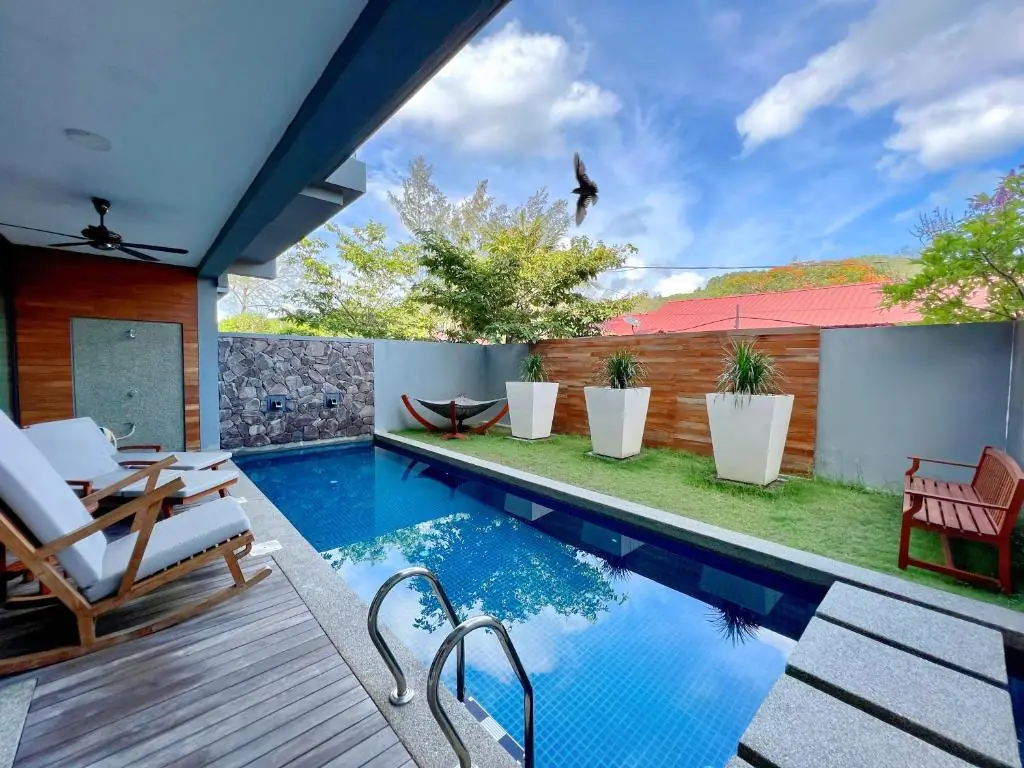
When industry analysts and high-end residential curators investigate the best private villas in the us, the primary objective is decoding how specialized architectural design, rigorous perimeter isolation, bespoke concierge ecosystems, and regional geographic placement influence both long-term property asset appreciation and resident sanctuary quality. However, a common pitfall involves treating these exceptional domestic residential compounds like standard upscale vacation rentals or luxury hotel villas, completely ignoring the complex administrative and technical orchestration required to manage an expansive standalone domestic estate without triggering severe logistical or privacy failures.
A widespread misconception views premier domestic residential curation through a purely aesthetic lens, reducing complex municipal short-term zoning laws, micro-climate energy engineering, and dedicated staff management matrices to basic interior design styles and square footage metrics. Consequently, this oversimplification ignores the profound operational friction between bypassing local neighborhood land-use covenants and facing sudden municipal cease-and-desist orders or privacy breaches across high-profile domestic destinations. In reality, mastering domestic estate appraisal requires examining the delicate balancing act between maintaining absolute physical seclusion and ensuring seamless operational support across every expansive compound.
Relying on uncritical generalizations introduces severe analytical vulnerabilities. When observers gloss over water rights limitations, ignore local county noise ordinances, or fail to audit underlying property access roads, small planning oversights compound into major operational crises. True professional appraisal demands rigorous administrative auditing, direct examination of estate architectural blueprints, and an honest accounting of how these exceptional residential properties perform under severe environmental and regulatory stress across diverse domestic territories.
Deep Contextual Background
The evolution of domestic high-end residential curation and the search for the best private villas in the us reflects a century-long transformation in American wealth distribution, architectural innovation, high-net-worth privacy demands, and elite leisure migration. Early twentieth-century luxury seasonal retreats across regions like Newport, the Hudson Valley, and early Palm Springs relied on expansive aristocratic estates serviced by large domestic staffs, offering social exclusivity rather than modern smart-home integration, sustainable microgrids, or flexible leasing structures.
The late twentieth and early twenty-first centuries marked a profound commercial turning point with the proliferation of professionally managed standalone luxury compounds across coastal California, the Rocky Mountain ski corridors, and the South Florida barrier islands, driven by ultra-high-net-worth individuals demanding strict operational transparency paired with uncompromised five-star living standards. However, this shift toward high-stakes domestic estate leasing created a sharp operational challenge: managing substantial financial transactions, complex local zoning laws, and customized staff provisioning across diverse state and municipal legal jurisdictions without standardized federal hospitality frameworks. To bridge this gap, visionary real estate developers and luxury property curators began engineering specialized master property calendars, secure financial escrow gateways, and comprehensive pre-arrival onboarding workflows specifically tailored for extraordinary domestic sanctuaries.
As the domestic luxury villa leasing market matured, the demand for administrative clarity, architectural distinction, and transparent provisioning accelerated the codification of specialized estate auditing standards. Consequently, studying and categorizing these exceptional domestic properties transitioned from an ad-hoc travel review into a highly rigorous interdisciplinary specialty encompassing domestic real estate law, architectural engineering, and luxury estate governance.
Conceptual Frameworks and Mental Models
Analyzing complex domestic private residential environments requires robust mental models that account for geographic isolation, regulatory compliance, and asset preservation.
The Geographic Isolation vs. Logistical Accessibility Gradient
This foundational model evaluates how deep natural seclusion correlates with the complexity of emergency response, staff provisioning, and utility maintenance. It prevents analytical misjudgements by mapping the technical trade-offs between remote wilderness sanctuaries and accessible coastal estates.
The Architectural Openness vs. Perimeter Privacy Ratio
Properties operating within ultra-luxury domestic segments must balance expansive glass facades and open-air living pavilions against absolute protection from public gaze and digital intrusion. When analysts examine the market, this mental model tracks structural transparency metrics against physical screening efficiency.
The Micro-Climate Environmental Stress vs. Material Durability Axis
Administrative workflows must evaluate the structural resilience of domestic estate buildings against localized regional threats, such as coastal salt-air corrosion, desert thermal expansion, or alpine snow loads.
The Capital Asset Valuation vs. Rental Yield Hierarchy
This model stratifies financial risk during domestic property acquisition and leasing, ensuring balanced evaluation of high upfront capital expenditures against recurring seasonal rental revenues.
Key Categories and Variations
Mastering the study of the best private villas in the us involves navigating distinct regional architectural models and operational environments across the country, each carrying specific structural challenges and curation structures. When industry professionals analyze properties within the domestic luxury residential ecosystem, they typically segment elite compounds into six core categories.
1. Coastal Pacific Clifftop Sanctuaries (California)
Expansive modernist glass-and-steel estates perched along the rugged bluffs of Malibu, Big Sur, and La Jolla, emphasizing ocean views and seamless indoor-outdoor living.
-
Trade-Offs: Delivers breathtaking Pacific panoramas and architectural prestige, but involves high exposure to coastal salt-air corrosion and strict geological zoning rules.
2. Desert Oasis Compounds (Coachella Valley and Arizona)
Secluded modernist compounds featuring private water features, subterranean wellness spas, and shaded courtyards designed to withstand extreme arid thermal ranges.
-
Trade-Offs: Offers absolute winter climate refuge and striking minimalist architecture, but demands intensive HVAC management and high summer cooling expenditures.
3. Alpine Timber and Stone Chalets (Rocky Mountains)
Luxurious slope-side estates across Aspen, Vail, and Jackson Hole featuring massive stone hearths, heated stone driveways, and direct ski-in/ski-out access.
-
Trade-Offs: Provides unmatched winter recreational access and cozy alpine seclusion, but requires specialized snow-load structural engineering and heating logistics.
4. Tropical Barrier Island Estates (South Florida)
Private waterfront compounds across Miami, Palm Beach, and the Keys featuring deep-water yacht docks, tropical landscaping, and hurricane-rated impact glazing.
-
Trade-Offs: Ideal for maritime enthusiasts and warm-weather living, but exposes assets to severe tropical storm risks and high humidity maintenance overhead.
5. Historic Hudson Valley and New England Country Retreats
Spacious acreage estates blending historic colonial architecture with modern luxury amenities, surrounded by private woodlands, equestrian facilities, and organic gardens.
-
Trade-Offs: Offers immense acreage, absolute historic charm, and complete privacy, but involves extensive groundskeeping and seasonal upkeep.
6. Hawaiian Volcanic and Oceanfront Sanctuaries
Secluded island compounds featuring open-air lanais, indigenous wood finishes, and private beachfront access across Maui, Kauai, and the Big Island.
-
Trade-Offs: Delivers supreme tropical tranquility and natural beauty, but requires complex logistics for importing specialized supplies and maintenance labor.
Operational Comparison Table
| Domestic Villa Category | Primary Geographic Region | Architectural Focus | Main Operational Challenge | Financial Asset Profile |
| Pacific Clifftop Compounds | Coastal California | Modernist glass & steel | Geotechnical stability & salt corrosion | Ultra-High Capital Appreciation |
| Desert Oasis Estates | Southern California & Arizona | Arid minimalist & courtyards | Extreme thermal HVAC management | High Seasonal Demand |
| Alpine Mountain Chalets | Colorado, Wyoming | Timber, stone & slope-side | Snow-load engineering & heating | Premium Winter Yields |
| Tropical Waterfront Manors | South Florida & Keys | Maritime & deep-water docks | Hurricane mitigation & humidity | High Liquidity & Rental Value |
| Historic Country Estates | New England & Upstate NY | Acreage & historic preservation | Extensive groundskeeping overhead | Stable Long-Term Hold |
Realistic Decision Logic
When high-net-worth buyers, portfolio directors, or luxury travelers seek guidance on identifying and appraising the best private villas in the us, decision logic must prioritize the strict auditing of local municipal zoning laws, water rights, structural engineering resilience, and emergency access routes above superficial interior design aesthetics. If an operator analyzes domestic estate management using criteria designed for standard urban commercial hotels, the resulting property operation will fail under the weight of unvetted county short-term rental bans, unexpected utility constraints, and severe weather vulnerabilities. Observers must weigh promotional marketing narratives against the immutable legal, physical, and operational realities of elite domestic residential real estate.
Detailed Real-World Scenarios
Practical analytical scenarios illustrate how recognizing architectural constraints, regional regulatory hurdles, and environmental vulnerabilities prevents catastrophic operational and financial breakdown across diverse domestic luxury villa operations.
Case Study A: The Malibu Clifftop Geotechnical Stabilization
An exclusive clifftop estate in Malibu successfully averted catastrophic foundation failure during a severe winter storm cycle by executing a pre-engineered subterranean rock anchoring and drainage overhaul.
-
Constraints: Unstable coastal bluff geology; strict California Coastal Commission environmental regulations limiting heavy construction.
-
Decision Points: Management evaluated whether to ignore minor bluff weathering or invest in comprehensive subterranean micro-pile stabilization.
-
Failure Modes Identified: Neglecting coastal erosion risks historically led to sudden foundation slippage and total structural loss during severe meteorological events.
-
Second-Order Effects: Executing geotechnical stabilization required specialized drilling machinery and complex environmental permitting reviews.
-
Resolution: Proactive subterranean reinforcement permanently secured the clifftop foundation, preserving asset value and occupant safety.
Field Incident B: The Aspen Alpine Chalet Heating and Snow-Load Management
An elite timber chalet in Aspen successfully maintained continuous winter operations during an extreme record snowfall by deploying automated roof-melt sensor grids and redundant propane heating systems.
-
Constraints: Heavy sub-zero alpine snow accumulation; risk of structural roof collapse and frozen domestic water pipes.
-
Decision Points: Administrators compared manual snow removal crews with installing automated thermodynamic roof-edge heating and smart backup boilers.
-
Failure Modes Identified: Manual snow clearing proved too slow during sudden blizzards, risking structural ice damming and pipe bursts.
-
Second-Order Effects: Automated heating grids required high electrical capacity, necessitating a dedicated commercial-grade backup diesel generator.
-
Resolution: Integrated thermodynamic systems prevented snow accumulation and pipe freezing, ensuring uninterrupted luxury guest experiences.
Operational Deployment C: South Florida Waterfront Estate Hurricane Hardening
A luxury waterfront estate in Palm Beach successfully survived a major category hurricane without structural damage by activating impact-rated storm shutters and emergency solar-battery microgrid systems.
-
Constraints: Imminent hurricane landfall threatening regional electrical grid collapse and flooding.
-
Decision Points: Evaluators compared relying on standard municipal disaster services with installing independent hurricane barriers and backup power microgrids.
-
Failure Modes Identified: Grid power failures typically disable security systems, refrigeration, and climate control, rendering waterfront estates uninhabitable post-storm.
-
Second-Order Effects: Operating independent microgrids required rigorous monthly maintenance testing and fuel supply contracts.
-
Resolution: Hardened impact shutters and autonomous backup power protected the estate completely during extended municipal grid outages.
Operational Deployment D: Coachella Valley Desert Oasis Thermal Optimization
A secluded desert compound in Palm Springs successfully reduced peak summer cooling expenditures by forty percent through the installation of automated smart-zoning HVAC controls and solar-reflective window films.
-
Constraints: Extreme desert summer temperatures exceeding one hundred and ten degrees Fahrenheit; skyrocketing commercial electricity utility tariffs.
-
Decision Points: Planners compared absorbing continuous high cooling bills with investing in comprehensive architectural solar tinting and intelligent climate zoning.
-
Failure Modes Identified: Uncontrolled solar heat gain through large glass walls forced air conditioning units to run continuously, accelerating mechanical wear.
-
Second-Order Effects: Upgrading architectural glazing required specialized installation teams working within strict residential aesthetic guidelines.
-
Resolution: Thermal optimization drastically lowered daily energy consumption while maintaining optimal indoor climate comfort.
Planning, Cost, and Resource Dynamics
Administering an effective operational and financial protocol when acquiring or managing premier domestic residential properties requires understanding the relationship between upfront capital investments, ongoing maintenance expenses, and regulatory compliance costs.
Direct and Indirect Financial Realities
When analyzing unique domestic residential operations, investigators must weigh upfront property acquisition costs, architectural engineering fees, and municipal tax liabilities against the immense financial exposure of regulatory non-compliance, natural disaster damage, and deferred maintenance. Failing to account for robust financial planning creates fragile management models that expose owners to severe capital drain.
Opportunity Cost and Resource Allocation
Coordinators must balance investments in advanced security and environmental hardening against broader aesthetic interior renovations. Over-allocating resources to superficial interior styling yields diminishing returns, while ignoring core structural integrity, water rights, and regional climate resilience leaves substantial real estate assets exposed to operational failure.
Financial and Resource Allocation Range Table
| Domestic Estate Phase | Typical Time Investment | Resource Requirement | Financial Impact | Economic Return |
| Title, Zoning & Water Rights Audit | 30 – 60 Hours / Acquisition | Real estate attorneys & surveyors | Verifies legal & land compliance | Critical (protects total capital) |
| Geotechnical & Structural Hardening | 50 – 100 Hours / Project | Structural & geotechnical engineers | Secures physical asset | High (prevents disaster loss) |
| Smart Microgrid & HVAC Setup | 20 – 40 Hours / Install | Electrical contractors & techs | Lowers operating energy bills | High (amortizes upfront cost) |
| Perimeter Security & IoT Integration | 30 – 50 Hours / Setup | Security specialists & hardware techs | Hardens privacy and access | Essential (ensures guest safety) |
Tools, Strategies, and Support Systems
Executing precise estate administration and operational oversight when managing top-tier domestic residential properties requires specialized software platforms, legal verification vaults, and maintenance networks.
1. Enterprise Luxury Property Management Systems (PMS)
Deploying sophisticated booking and asset management software engineered specifically for domestic luxury estates, featuring multi-channel calendar synchronization and secure guest onboarding.
2. Secure Land Registry and Municipal Zoning Portals
Storing verified county deed records, coastal commission permits, water rights allocations, and HOA compliance documents in a single encrypted cloud repository.
3. Specialized Regional Engineering and Maintenance Networks
Maintaining direct relationships with certified structural engineers, wildfire defense contractors, maritime corrosion specialists, and alpine snow-removal teams.
4. Automated Utility Tracking and Smart Microgrid Dashboards
Using centralized digital platforms to monitor real-time electrical, water, and solar battery storage performance across estate zones.
5. Encrypted Guest Vetting and Identity Verification Vaults
Storing verified government identification, corporate credentials, insurance certificates, and signed indemnification riders securely.
6. Comprehensive Maintenance and Asset Lifecycle Repositories
Storing architectural blueprints, equipment manuals, warranty certificates, service logs, and replacement schedules in a secure cloud vault to ensure continuous asset preservation.
Risk Landscape and Failure Modes
Failing to properly address legal, environmental, and operational realities when managing premier domestic residential properties exposes owners and operators to compounding vulnerabilities.
Catastrophic Capital Loss via Municipal Zoning Violations
Underestimating the risk of operating short-term luxury rentals without verifying strict county zoning codes, resulting in sudden municipal fines and operating bans.
Uninsured Financial Ruin via Omitted Natural Disaster Riders
Failing to include specialized manuscript insurance coverage for regional hazards such as wildfires, earthquakes, hurricanes, or heavy snow loads.
Operational Breakdown via Extreme Climate Exposure
Neglecting regular preventative maintenance against aggressive regional environments like coastal salt air or desert heat, leading to sudden mechanical breakdowns.
Governance, Maintenance, and Long-Term Adaptation
Administering long-term quality control over domestic high-end residential administration requires disciplined review cycles, legal audits, and systematic administrative checklists.
-
Quarterly Regulatory and Safety Audits: Review all county zoning compliance, short-term leasing permits, and physical security sensor logs prior to peak travel seasons.
-
Annual Structural and Environmental Reviews: Evaluate geotechnical stability, roof-load capacity, wildfire defensible space clearance, and insurance policy coverage limits continuously across all estate assets.
-
Layered Administrative Governance Checklist:
-
Verify all property acquisitions, leases, and operational permits comply with state laws and municipal ordinances.
-
Maintain active service contracts with certified real estate attorneys, structural engineers, and local property managers.
-
Inspect automated microgrid performance, backup generators, and digital document vaults monthly.
-
Audit preventative maintenance schedules, wildfire clearance zones, and guest vetting protocols prior to annual operational cycles.
-
Measurement, Tracking, and Evaluation
Assessing the ongoing administrative health and operational success of premier domestic residential properties involves monitoring both qualitative and quantitative indicators.
Leading and Lagging Indicators
Leading indicators include preventative maintenance completion rates, microgrid energy self-sufficiency percentages, municipal permit renewal status, and guest vetting clearance speed. Conversely, lagging indicators reflect operational failures, including municipal zoning code violations, insurance claim disputes, emergency equipment repair expenses, and structural weather damage occurrences.
Common Misconceptions and Oversimplifications
1. Standard residential real estate standards apply uniformly across all US luxury villa markets.
Domestic luxury compounds are subject to highly fragmented state, county, and municipal zoning laws that require bespoke legal and operational strategies.
2. Advertised nightly base rates represent the total cost of a domestic private villa stay.
Base rates frequently exclude mandatory cleaning fees, local occupancy taxes, resort surcharges, and security deposit holds.
3. Coastal and mountain estates require no specialized environmental hardening.
Properties situated in extreme micro-climates demand dedicated geotechnical stabilization, hurricane impact glazing, or alpine snow-load engineering.
4. Routine preventative maintenance can be safely deferred to save short-term operating costs.
Skipping regular component servicing accelerates mechanical wear and environmental degradation, guaranteeing exorbitant emergency repair expenses.
5. Manual calendar updates are sufficient for multi-channel luxury villa rentals.
Relying on manual calendar entry across multiple booking portals guarantees catastrophic double-booking errors during peak travel windows.
6. Domestic luxury estate management requires no specialized administrative oversight.
Navigating complex county zoning, water rights, and high-net-worth guest expectations requires expert professional leadership.
Ethical, Practical, and Contextual Considerations
Mastering the evaluation and management of properties within the domestic luxury residential sector extends beyond administrative logistics into transparent commercial ethics and respectful community engagement. When property managers, asset managers, and luxury curators maintain rigorous operational and financial diligence while establishing clear communication channels with guests, municipal authorities, and local residents, they carry a professional obligation to honor local community standards, protect delicate regional ecosystems, and support sustainable high-end tourism operations. By integrating rigorous software automation, legal verification, and disciplined administrative tracking, stakeholders ensure their properties honor intellectual honesty while delivering dependable, authoritative results.
Conclusion
Mastering the structural, operational, and administrative principles required to successfully identify, evaluate, and manage the best private villas in the us is essential for achieving true topical authority and long-term asset stability. Relying on generalized hospitality assumptions, unverified zoning laws, manual calendars, and deferred maintenance guarantees operational distress and financial loss. By investing in resilient enterprise software, forensic legal verification, robust environmental hardening, and disciplined administrative governance, stakeholders secure a highly dependable operating framework. Ultimately, rigorous intellectual stewardship transforms complex domestic residential leasing and management challenges into clear, deeply understood realities.